
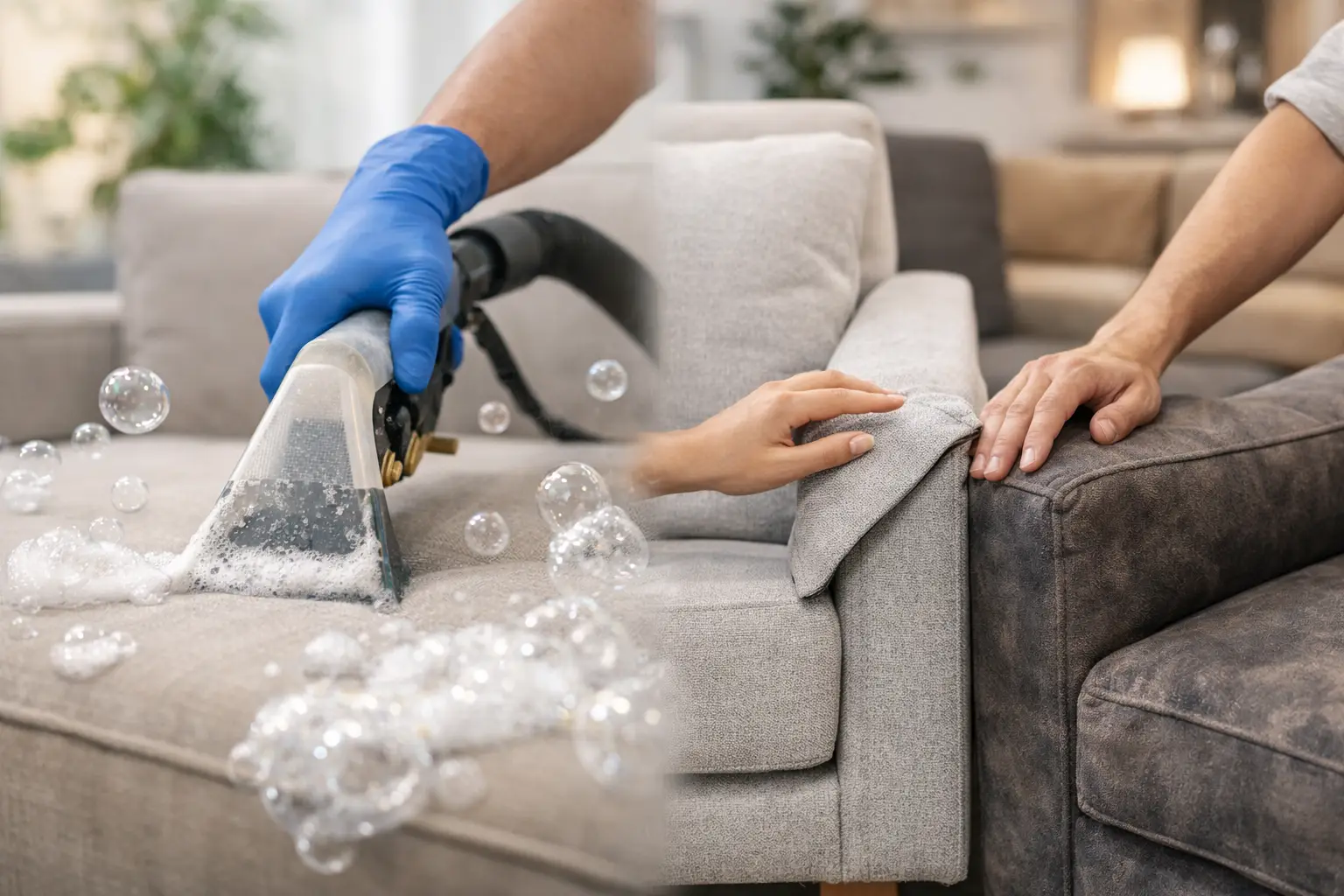
A sofa can look ready for the curb long before it is actually worn out. Pet odors, snack spills, body oils, and everyday dust settle into fabric gradually, making even a well-built piece look dull and tired. When weighing upholstery cleaning vs replacement cost, the real question is not just what looks better this week. It is whether the furniture still has good years left beneath the surface.
For many Puget Sound households, professional cleaning is the practical first move. It can restore color, freshness, and comfort for a fraction of the price of replacing a sofa, sectional, recliner, or dining chairs. But cleaning is not the right answer for every piece. The fabric condition, frame quality, stain history, and age of the furniture all matter.
What Replacement Really Costs
Furniture replacement prices vary widely, but even modest pieces add up quickly. A basic upholstered chair may cost several hundred dollars. A quality sofa often runs from $1,000 to $3,000 or more, while a sectional with durable fabric and a solid frame can easily exceed that range. Delivery fees, disposal of the old piece, sales tax, and the time spent shopping can push the total higher.
Then there is the quality issue. An older sofa with a hardwood frame, sturdy springs, and comfortable cushions may be better made than many new budget options. Replacing it because of surface dirt or a few stains can mean trading a durable piece for one that will not last as long.
Professional upholstery cleaning generally costs far less than replacement, especially when several pieces are cleaned during the same visit. Exact pricing depends on the size of the furniture, fabric type, soil level, and any odor or stain treatment needed. The value is strongest when cleaning brings a usable, comfortable piece back to life and delays a major purchase by several years.
Upholstery Cleaning vs Replacement Cost: When Cleaning Wins
Cleaning is usually the better investment when the furniture is structurally sound. Sit on the cushions and check the frame. If it feels stable, the cushions still support you, and the fabric is not badly torn or worn through, the piece is a strong candidate for professional care.
Surface problems often look worse than they are. Light-colored fabric can darken from ordinary use, especially on armrests, headrests, and seat cushions. Homes with children and pets may have food spots, paw marks, accidents, and lingering odors. These issues can make furniture feel unclean, but they do not automatically mean the upholstery has reached the end of its life.
A professional cleaner can assess the fabric and use an appropriate method for its condition. DryMaster of Puget Sound uses a barely damp dry-shampoo process designed to lift embedded soil without saturating the furniture. That matters in our damp regional climate, where overly wet upholstery can take too long to dry and may create mildew concerns.
Cleaning also makes sense before other major changes. If you are preparing to sell a home, welcoming guests, moving into a new space, or refreshing a room without buying new furniture, clean upholstery delivers a visible improvement quickly. It can make the whole room feel brighter and fresher without the expense and disruption of replacement.
Signs your furniture is worth cleaning
A piece is often worth saving when it has a solid frame, intact seams, reasonably firm cushions, and fabric that is dirty rather than damaged. Even noticeable stains may improve substantially with professional treatment, although no responsible cleaner can promise that every stain will disappear completely.
Odor is another reason to clean before replacing. Pet smells, smoke residue, and everyday household odors can become trapped in upholstery fibers and cushion materials. Addressing the source with proper cleaning and odor treatment may restore the piece without forcing you to start over.
When Replacement Is the Smarter Choice
There are times when cleaning would only be a short-term cosmetic fix. If the fabric is threadbare, ripped across high-use areas, or peeling from bonded leather, replacement or reupholstery may be more sensible. Cleaning cannot rebuild missing fabric or restore material that has broken down from age and friction.
The frame also matters. A sofa that creaks, sags heavily, leans to one side, or has broken support underneath may not be worth investing in. The same is true of cushions that have permanently flattened or lost their shape. Professional cleaning can remove soil, but it cannot repair structural damage.
Consider replacement carefully after major contamination as well. Extensive mold growth, severe water damage, or widespread pet urine that has soaked deep into the padding can require more than surface treatment. A cleaning professional can help you understand what is realistic, but some conditions have progressed beyond what cleaning alone can solve.
Replacement may also be the right call if you have already planned a full redesign and the furniture no longer fits your needs. In that case, cleaning may still be helpful before donating, selling, or passing along a usable piece, but it is not a substitute for a necessary change.
Compare More Than the Price Tag
The cheapest option is not always the best value. A new sofa may seem appealing when an old one looks stained, yet replacement introduces other costs: shopping time, waiting for delivery, arranging disposal, and breaking in a piece that may not be as comfortable as the one you already own.
Cleaning has its own limits. Results depend on the fiber, dye stability, type of stain, how long it has been there, and whether someone has already used household products that set or spread the spot. DIY sprays can leave residue that attracts more dirt, create water rings, or change the texture of delicate fabrics. For furniture you care about, a professional assessment is often less risky than repeated trial-and-error cleaning.
It also helps to think about the environmental side of the decision. Keeping a usable sofa, chair, or loveseat in service reduces unnecessary waste. Choosing an eco-friendly, non-toxic cleaning approach is a practical way to refresh your home while being mindful of children, pets, and the materials going into your living space.
How to Get the Most Value From Professional Cleaning
Do not wait until upholstery looks nearly blackened or carries a strong odor. Regular maintenance makes soil easier to remove and helps fabrics hold their appearance longer. For an active household, upholstery cleaning every 12 to 24 months is a reasonable starting point. Homes with shedding pets, young children, frequent guests, or allergy concerns may benefit from more frequent care.
Before an appointment, vacuum loose crumbs and pet hair if possible, and point out stains, odors, and areas of concern. Be honest about what caused a spot and whether you have tried a cleaner already. That information helps the technician choose the safest approach and set clear expectations.
After cleaning, give the upholstery the recommended drying time before heavy use. Barely damp methods can reduce downtime compared with traditional soaking methods, but airflow and indoor humidity still affect drying. Opening a window when weather permits or running light air circulation can help the furniture dry evenly.
A simple decision test
Ask yourself three questions: Is the frame still strong? Is the fabric dirty rather than destroyed? Would I be happy to keep this piece for another two or three years if it looked and smelled much better? If the answer is yes, cleaning is likely the better value.
If the furniture is sagging, torn, structurally unsound, or deeply contaminated, replacement may protect you from spending money on a result that cannot meet your expectations. A trustworthy cleaning service should tell you that plainly rather than recommend a treatment that will not solve the real problem.
Give Good Furniture a Fair Chance
Furniture does not need to look brand-new to be clean, comfortable, and worth keeping. A professional cleaning can remove the layer of daily life that has built up over time, helping you make a replacement decision based on the true condition of the piece instead of its current appearance.
Before sending a favorite sofa or chair to the landfill, consider what a safe, residue-free cleaning could change. Often, the most cost-effective refresh for your home is already sitting in your living room.
Leave a Reply