
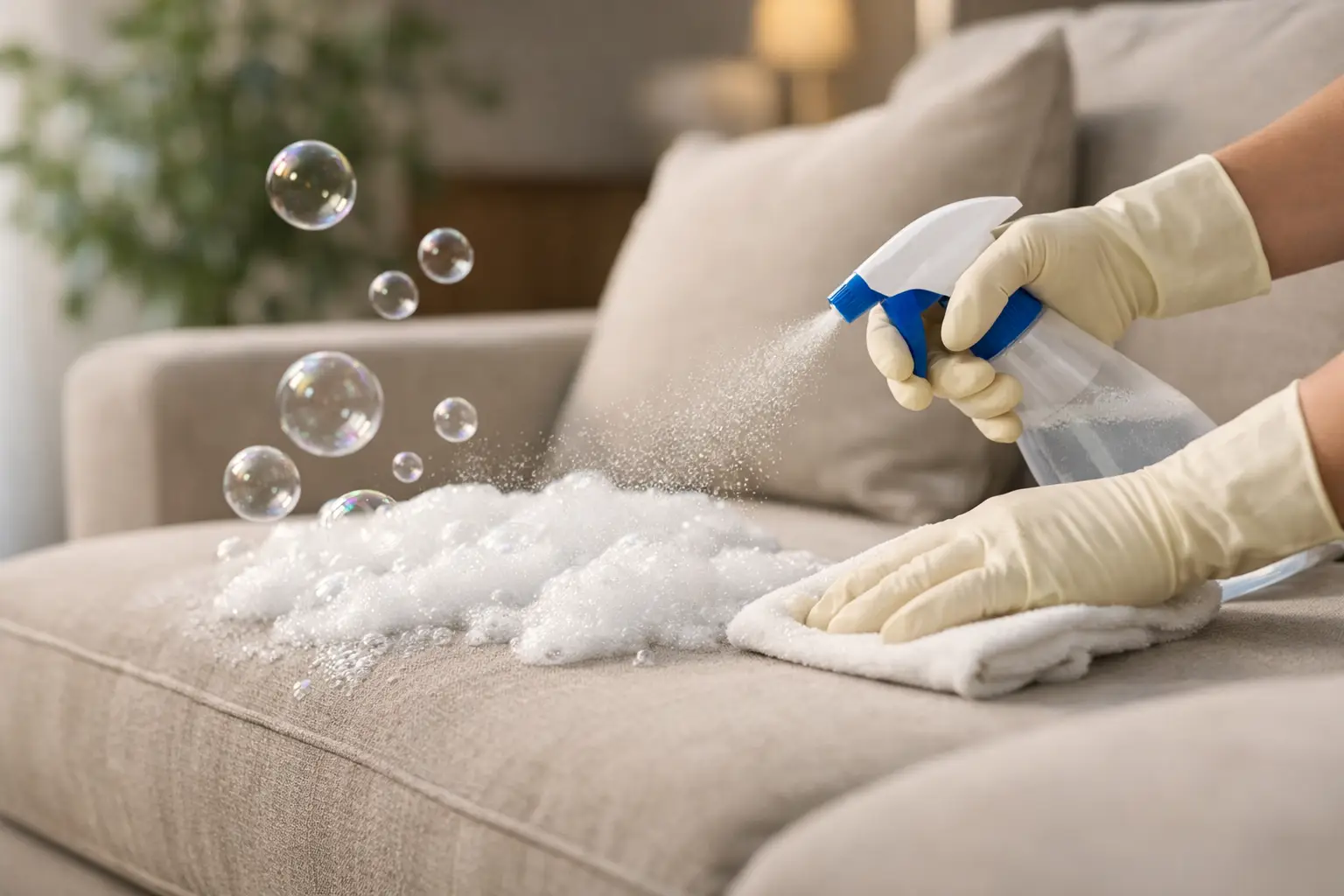
A sofa can look clean and still hold onto the things that make a room feel less than fresh: pet hair, cooking odors, body oils, dust, and the occasional mystery spot. Knowing how to freshen upholstered furniture helps you improve the feel of your home between professional cleanings without soaking the fabric or setting a stain deeper.
The best approach is usually gentle and consistent. Upholstery is not one-size-fits-all. A cotton chair, microfiber sectional, velvet ottoman, and antique accent piece may all need different care. Start with the fabric’s cleaning code and use as little moisture as possible.
Start With the Upholstery Cleaning Code
Look under seat cushions, beneath the frame, or on the manufacturer’s tag for a cleaning code. This small label can save you from water rings, fading, or fabric damage.
W means water-based cleaners are generally safe. S means use a solvent-based cleaner only. WS or SW means either water- or solvent-based products may be used carefully. X means vacuum only, with professional cleaning recommended for stains and deeper soil.
Even when the code allows water-based cleaning, test any product in a hidden area first. Check for color transfer, texture changes, or a visible ring after the spot dries. If you cannot find a code, treat the fabric as delicate and avoid applying liquid directly to it.
How to Freshen Upholstered Furniture Between Cleanings
A regular refresh does not need to be complicated. It works best when you remove dry soil first, address odors without over-wetting, and give the furniture enough airflow afterward.
Vacuum More Thoroughly Than Usual
Vacuuming is the most effective first step because dry dirt becomes muddy residue when moisture is added. Use the upholstery attachment on cushions, arms, backs, seams, and beneath removable cushions. A crevice tool is useful around buttons, piping, and the narrow spaces where crumbs, pet fur, and dust collect.
If you have pets, use a clean dry rubber glove or a fabric-safe pet-hair brush before vacuuming. This can loosen hair that has woven into the fibers. Do not scrub aggressively, especially on loosely woven fabrics, as pulling at the surface can cause pilling.
Air Out Cushions and the Room
Open windows when weather allows, run ceiling fans, or use a portable fan nearby. Fresh airflow can make a noticeable difference after vacuuming, particularly in homes where upholstery absorbs cooking smells, pet odors, or smoke.
Remove and rotate loose cushions if the manufacturer allows it. This helps reduce uneven wear and exposes areas that normally receive little air. Avoid placing damp cushions in direct sun for long periods, since heat and sunlight can fade some fabrics and dry them unevenly.
Use Baking Soda Carefully for Everyday Odors
For many durable, dry upholstery fabrics, baking soda can help absorb mild odors. Lightly sprinkle a thin, even layer over the fabric, leave it for 15 to 30 minutes, then vacuum it thoroughly with the upholstery tool.
This is not the right choice for every piece. Skip it on velvet, delicate natural fibers, heavily textured fabrics, or furniture with loose buttons and deep tufting where powder may be difficult to remove. Baking soda also will not solve an odor caused by a pet accident, mildew, spilled milk, or contamination below the surface. Those odors need the source treated, not covered up.
Freshen Fabric With Minimal Moisture
If the tag permits water-based care, use a light touch. Dampen a clean white microfiber cloth with a fabric-safe upholstery cleaner or a small amount of mild soap solution. The cloth should be barely damp, never dripping.
Blot a small area at a time rather than spraying the entire couch. Work gently from the outside of a spot toward the center, then blot again with a separate dry towel. This reduces the risk of water marks and keeps moisture from reaching the cushion filling.
Too much water is a common mistake. Saturated upholstery can take a long time to dry, develop a musty smell, or encourage mildew inside the padding. In the Puget Sound area, where indoor air can stay cool and damp for much of the year, fast drying matters even more.
Treat Spots Before They Become Stains
A fresh spill is easier to remove than a stain that has had time to dry and bond with the fabric. Start by lifting any solids with a spoon or dull edge. Then blot the spill with a clean white cloth. Press down and lift up repeatedly instead of rubbing, which can spread the stain and damage the fibers.
For a water-safe fabric, use only the cleaner recommended for the material and apply it to your cloth, not directly to the furniture. Blot with a clean damp cloth to remove cleaner residue, then blot dry. Residue left behind can attract more dirt and make a freshly cleaned area look dull sooner.
Grease, ink, red wine, pet urine, and old stains need more caution. Home remedies shared online can be risky because the wrong product may bleach color, set the stain, or leave a sticky film. If a spot is large, has a strong odor, or has already been treated unsuccessfully, professional upholstery cleaning is often the safer choice.
Avoid These Common Upholstery Mistakes
Steam cleaning, shampooing, and heavy spraying may seem like a deep-cleaning solution, but they are not always appropriate for upholstered furniture. Deep cushion padding can retain moisture long after the surface feels dry. That creates the conditions for lingering odors and possible mildew.
Avoid using household carpet cleaner unless its label specifically states it is safe for your upholstery type. Do not use bleach, ammonia, dish soap in heavy amounts, or heavily fragranced sprays. Strong scents can mask an odor temporarily while leaving residue behind, and some products can irritate sensitive family members or pets.
It is also wise to avoid colored towels. A damp colored cloth can transfer dye onto light upholstery. Clean white microfiber cloths make it easier to see whether you are lifting dirt or color from the fabric.
When Your Furniture Needs Professional Cleaning
Routine care keeps upholstery presentable, but it cannot always reach the soil and odor trapped below the surface. Consider professional help when furniture still smells stale after vacuuming, cushions feel grimy, allergy symptoms seem worse around the sofa, or stains return after drying.
Professional service is especially useful after pet accidents, illness, water exposure, smoke odors, or years of daily use. These situations often involve more than the visible fabric. Soil, odor-causing material, and residue can settle into the cushion layers and require a method designed for upholstery.
For many households, professional cleaning every 12 to 24 months is a practical baseline. Families with young children, multiple pets, frequent guests, or light-colored furniture may benefit from more frequent service. The right schedule depends on how the furniture is used, not just how it looks.
DryMaster of Puget Sound uses a barely damp dry-shampoo cleaning method designed to lift soil while avoiding the over-soaking associated with some traditional cleaning approaches. That means upholstery can be cleaned with family- and pet-safe products while reducing long drying times and mildew concerns.
Keep the Fresh Feeling Longer
Small habits protect the work you put into cleaning. Vacuum upholstery monthly, address spills immediately, rotate cushions regularly, and keep pets’ favorite blankets washable. If your home has a fireplace, frequent cooking, or a pet that spends time on the couch, a washable throw can reduce how much odor and soil reaches the upholstery itself.
Fresh upholstery changes more than the appearance of a room. It makes the place where your family relaxes, gathers, and hosts guests feel cleaner and more comfortable. When a gentle at-home refresh is no longer enough, choosing a low-moisture professional cleaning method can help restore that just-cleaned feeling without leaving your furniture soaked.
Leave a Reply