
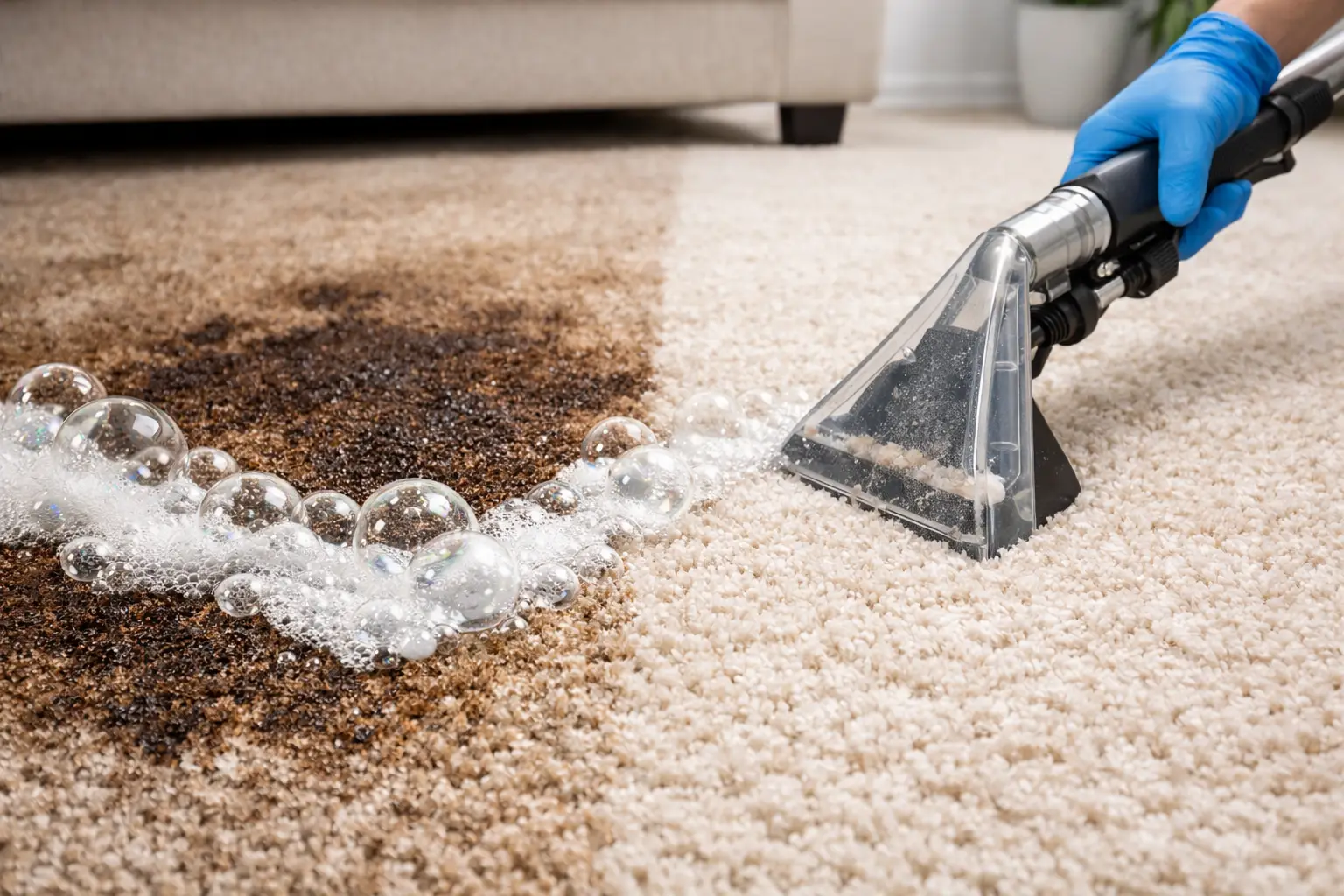
A spilled cup of coffee, muddy paw prints, or a pet accident can make a clean room feel neglected fast. The right carpet cleaning stain removal results do more than lighten a spot for a few days. They remove the soil, residue, and odor that can keep working their way back to the surface after the carpet dries.
Homeowners often judge carpet cleaning by what they see immediately after service. That first impression matters, but lasting results depend on the type of stain, how long it has been there, what was used on it before, and whether the carpet is cleaned without leaving excess moisture or sticky residue behind.
What carpet cleaning stain removal results should look like
Strong results are clear, even, and practical. A treated area should blend naturally with the surrounding carpet rather than look bleached, overly wet, or heavily perfumed. The carpet should feel fresh underfoot, not crunchy or soapy, and it should dry quickly enough that normal household life is not put on hold.
For everyday tracked-in soil, food spills, drink stains, and pet-related messes, professional cleaning can make a dramatic difference. Colors often look brighter because the dull film of embedded soil has been lifted away. Traffic lanes can look more uniform, and the room may feel cleaner before anyone says a word.
Still, an honest cleaning professional will not promise that every mark disappears completely. Some stains permanently alter carpet fibers or dyes. Bleach, certain medications, rust, paint, furniture dye, and old pet stains may leave discoloration even after the soil is removed. Cleaning can improve the appearance and remove odor-causing material, but dye damage is not the same thing as a removable stain.
Why some stains come back after cleaning
A spot that returns is frustrating, especially when it looked gone at first. In many cases, the issue is called wicking. A spill may have reached the backing, pad, or lower fibers beneath the visible surface. As the carpet dries, moisture can travel upward and bring dissolved soil with it, making the spot visible again.
Residue is another common cause. Grocery-store spot cleaners can leave soap, detergent, or fragrance behind. That residue may attract new dirt, so a once-cleaned spot turns gray or dark more quickly than the rest of the carpet. Scrubbing aggressively can also spread a stain, fray fibers, or push the spill deeper into the carpet.
Pet accidents deserve special attention. The visible spot is only part of the problem. Urine can travel below the carpet surface and leave odor-causing deposits that react to humidity. A surface spray may improve the smell temporarily, but the odor can return when the room warms up or the weather changes.
This is why thorough treatment matters. The cleaner needs to address the source of the stain and odor, not just make the top fibers look better for the afternoon.
Age, heat, and previous attempts matter
Fresh stains are generally easier to remove because they have had less time to bond with the fibers. Heat can set many protein-based stains, including milk, eggs, blood, and some pet messes. Using the wrong cleaner can also change the chemistry of a stain, making later removal more difficult.
That does not mean an old stain is hopeless. Professional methods can often improve stains that have been in place for months or years. The realistic goal is the best safe improvement for the carpet, with clear expectations about what the fibers can support.
The benefit of barely damp carpet care
Excess water can create its own set of problems. A carpet that stays wet for too long can be inconvenient, attract soil, and raise concerns about mildew, especially in homes where ventilation is limited. In the Puget Sound area, where damp weather is part of life, fast drying is more than a convenience.
DryMaster of Puget Sound uses a dry-shampoo cleaning approach that is barely damp rather than steam-saturated. The process is designed to lift deep soil and treat stains while avoiding the soaked-carpet feeling many homeowners want to avoid. With less moisture left behind, carpets can dry faster and return to normal use sooner.
A residue-free process also supports better long-term appearance. When cleaning products are left in the fibers, they can hold onto new soil. A properly cleaned carpet should not feel sticky, stiff, or heavily coated after it dries. It should feel clean, soft, and ready for daily life with kids, pets, guests, and busy schedules.
What to do before a professional stain treatment
The best preparation is simple: avoid adding more products to the stain. If a spill is fresh, gently blot it with a clean white towel. Start at the outside edge and work inward so the spot does not spread. Do not rub, because rubbing can drive the material deeper and distort the pile.
Use a small amount of cool water only when appropriate, and blot again. Do not soak the area. If the stain involves pet urine, wine, coffee, grease, ink, or an unknown product, it is often better to stop experimenting and let a professional assess it. Sharing what caused the stain and when it happened gives the technician useful information before treatment begins.
Move small furniture and clear breakable items from the area when possible. This helps the cleaning appointment stay efficient and lets the technician focus on the carpet rather than household obstacles. If a stain has returned before, point it out. That detail can indicate deeper contamination or a prior residue issue.
Results also depend on the carpet itself
Not all carpeting responds the same way. Synthetic fibers such as nylon and polyester often handle many common stains well, though oily soils can be stubborn. Wool and natural-fiber rugs require a more careful approach because strong chemicals, over-wetting, and incorrect pH can damage the fibers or affect color.
The carpet’s condition matters too. High-traffic areas may be worn rather than simply dirty. When fibers are crushed, frayed, or permanently discolored by years of use, cleaning can remove soil but cannot restore the original texture. This is why professional results should be measured by cleaner fibers, improved appearance, fresher odor, and safe treatment, not by unrealistic promises of a brand-new carpet every time.
How to keep stain removal results looking better longer
After professional cleaning, give the carpet the time it needs to finish drying. Keep pets and foot traffic off treated areas until they are dry when possible. Vacuum regularly once the carpet is dry, since routine vacuuming removes dry soil before it settles into the pile and becomes abrasive.
For new spills, act quickly with blotting rather than scrubbing. Place entry mats at exterior doors, especially during rainy months, and consider a no-shoes routine in the most carpeted rooms. These small habits reduce the amount of grit, moisture, and outdoor debris that reaches the fibers.
If odors, recurring spots, or heavily used traffic lanes are becoming noticeable, do not wait until the carpet looks beyond help. Timely professional cleaning is usually easier on the carpet and gives stains less time to become permanent.
The most satisfying result is not just a lighter stain. It is walking back into a room that looks cared for, feels dry underfoot, and is ready for the people and pets who make it home.
Leave a Reply