
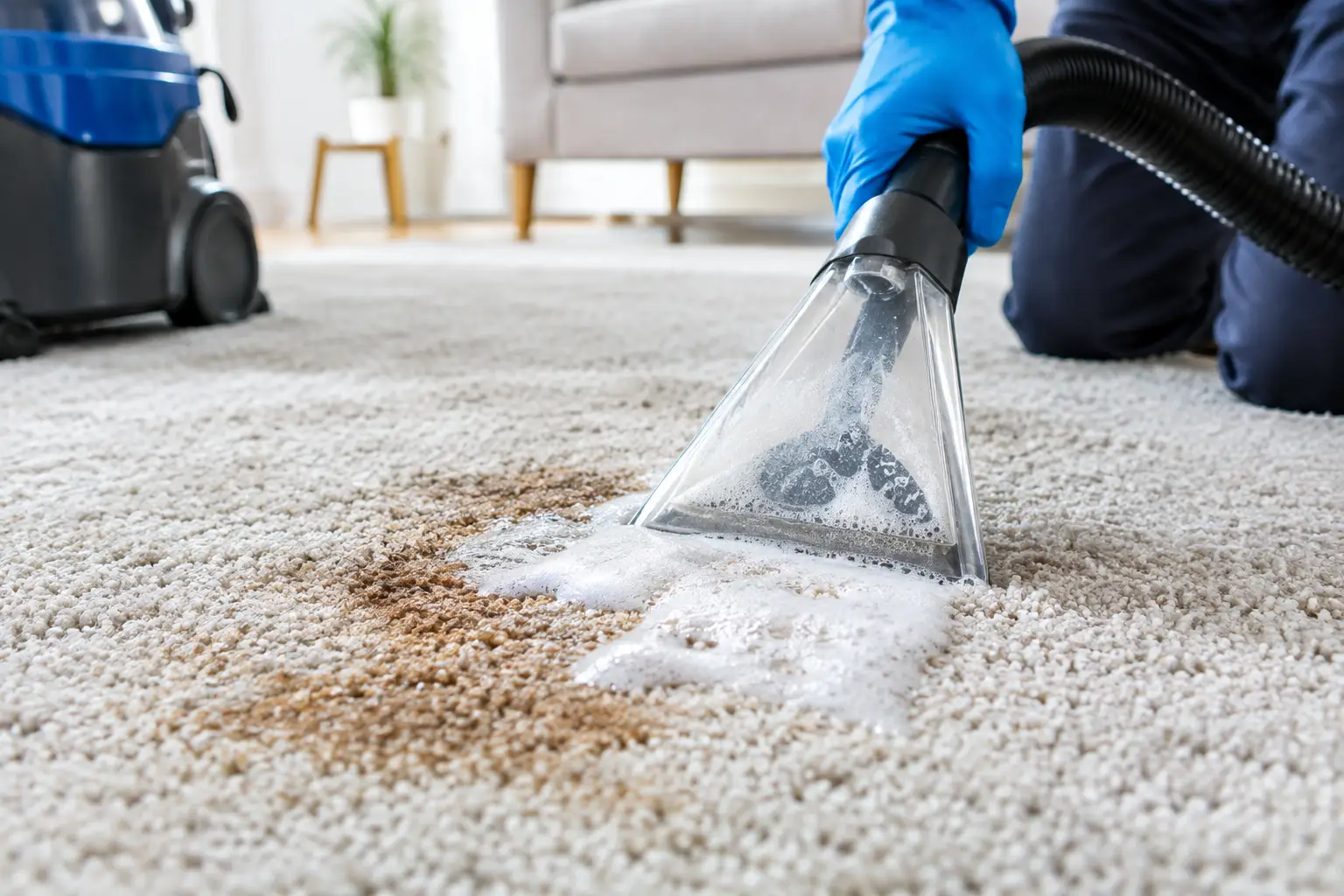
A dark spot in the middle of the living room carpet can make an otherwise clean home feel unfinished. Deep carpet stain treatment is not about scrubbing harder or soaking the area with every cleaner under the sink. It is about identifying what caused the stain, treating it carefully, and removing the residue that keeps dirt and odors coming back.
For busy households, pet owners, and families with children, the goal is simple: a carpet that looks clean, smells fresh, and is ready to use without staying wet for days. The right approach can make a major difference, especially when a spill has worked below the carpet surface.
Why Some Carpet Stains Keep Coming Back
A fresh spill sits near the top of the carpet fibers. A deep stain may reach the backing, padding, or even the subfloor. That is why a spot can appear gone after a quick cleaning, then reappear as the carpet dries. Moisture can draw remaining soil, color, or residue back toward the surface in a process often called wicking.
Pet accidents are a common example. The visible stain may be small, but urine can spread underneath the carpet much farther than expected. Coffee, red wine, greasy food, tracked-in mud, and colored drinks can also leave behind material that ordinary spot spray does not fully remove.
Old stains create another challenge. Heat, foot traffic, and time can set pigments and oils into the fibers. A treatment that works well for a new juice spill may do very little for a months-old stain. That does not automatically mean the carpet cannot improve, but it does mean the cleaning method needs to match the stain.
Start With the Right First Response
When a spill happens, speed helps. Blot the area with a clean white cloth or plain paper towels, working from the outside toward the center. Press firmly to absorb liquid, but avoid rubbing. Rubbing can spread the spill, push it deeper, and roughen the carpet fibers.
Use cool or lukewarm water sparingly when appropriate, especially for many food and beverage spills. Blot again until the cloth no longer picks up color. The key is restraint. Pouring water directly onto the carpet may dilute the stain temporarily, but it can also soak the backing and create a longer drying problem.
Avoid using heat on an unknown stain. Hot water, steam, and a hair dryer can set certain stains, particularly protein-based messes such as milk, blood, or pet accidents. Bleach, strong solvents, and harsh household chemicals can permanently change carpet color or damage fibers. If the carpet is wool, silk, or an oriental rug, stop before experimenting. Those materials need more specialized care.
Deep Carpet Stain Treatment Depends on the Stain
No single product is right for every spot. Effective deep carpet stain treatment starts with the type of residue left behind.
Pet stains and odor
Pet urine requires more than surface deodorizing. The source needs to be treated deeply enough to address the odor-causing residue, not simply cover the smell with fragrance. If an odor returns during humid weather or after the room is closed up, there may still be contamination below the surface.
Enzyme-based products can help with fresh pet accidents when used exactly as directed, but homeowners often under-apply them or fail to allow enough dwell time. Over-applying is not the answer either. Too much liquid can leave the carpet and pad overly damp. Persistent odors, repeat accidents in the same spot, and large affected areas are good reasons to bring in a professional.
Food, drink, and colored spills
Coffee, tea, wine, juice, and sauces can contain dyes, tannins, sugars, or oils. Blotting promptly offers the best chance of improvement. Once a stain has dried, repeated scrubbing can make it look worse by spreading color into nearby fibers.
A professional cleaner can assess whether discoloration is from dye, soil, residue, or fiber damage. That distinction matters. A stain may need targeted spot treatment before the overall carpet is cleaned. In some cases, permanent color loss or prior chemical damage can look like a stain but cannot be cleaned away.
Grease, makeup, and oily residue
Cooking oil, lotions, cosmetics, and shoe polish attract dirt long after the original spill. These stains often feel tacky or look darker after people walk over them. Water alone rarely solves the problem because oils need a cleaner formulated to break them down.
Using dish soap may seem like a quick fix, but too much soap can leave a sticky residue in the carpet. That residue catches new dirt, creating a gray or dark spot that returns quickly. Thorough residue removal is just as important as loosening the original stain.
Mud, soil, and mystery spots
Mud is best allowed to dry before vacuuming up loose soil. Trying to scrub wet mud can drive grit deeper into the pile. For mystery spots, resist the urge to combine several cleaners. Chemical mixing can cause color loss, odors, or a gummy residue that makes professional removal more difficult.
Why Over-Wetting Is a Real Concern
Many homeowners assume deeper cleaning requires soaking the carpet. It does not. Excess water can travel into the backing and padding, extending drying time and increasing the chance of musty odors or mildew. This is particularly frustrating in homes with limited airflow, rainy weather, or rooms that are used every day.
A barely damp cleaning method can provide a practical alternative when the carpet needs deep attention without the inconvenience of heavy saturation. DryMaster of Puget Sound uses dry-shampoo technology designed to lift dirt and treat problem areas while helping carpets dry quickly and without a sticky residue.
The best method still depends on the carpet, stain, and condition underneath. A minor surface spot may only need careful cleaning. A pet-affected area, a heavily soiled hallway, or a stain that has returned several times may require more focused treatment. Honest expectations matter: professional cleaning can often achieve exceptional improvement, but no service should promise to erase every stain regardless of its age, cause, or prior damage.
When It Is Time to Call a Professional
Home treatment makes sense for a small, fresh spill when you know what caused it and can blot it quickly. Professional help is usually the better choice when the stain is old, widespread, oily, strongly colored, or paired with an odor.
It is also worth scheduling service when the carpet feels crunchy after DIY cleaning, when spots reappear after drying, or when a room has a lingering stale smell. These signs often point to leftover detergent, moisture, or contamination below the visible fibers.
For homes in Gig Harbor, Tacoma, Port Orchard, Bremerton, and the Key Peninsula, fast drying can be especially valuable during wetter months. You should not have to plan your entire day around wet carpet or worry about children and pets walking through a soaked room.
Protect the Carpet After Treatment
Once the stain has been addressed, vacuum regularly to remove dry soil before it gets ground into the fibers. Place mats at entrances, treat new spills promptly, and keep pet accident areas under observation. If a pet repeatedly returns to one location, an odor source may remain even when the carpet looks clean.
Be cautious with store-bought spot removers. Test any product in an inconspicuous area first, use the smallest amount needed, and blot rather than scrub. More product does not mean better results. In many cases, it means more residue to remove later.
A clean carpet should feel comfortable underfoot, look even in color, and dry without a musty smell. When a stubborn stain is taking attention away from the rest of the room, a careful professional treatment can restore the space without leaving your home soaked or your family waiting for the carpet to dry.
Leave a Reply